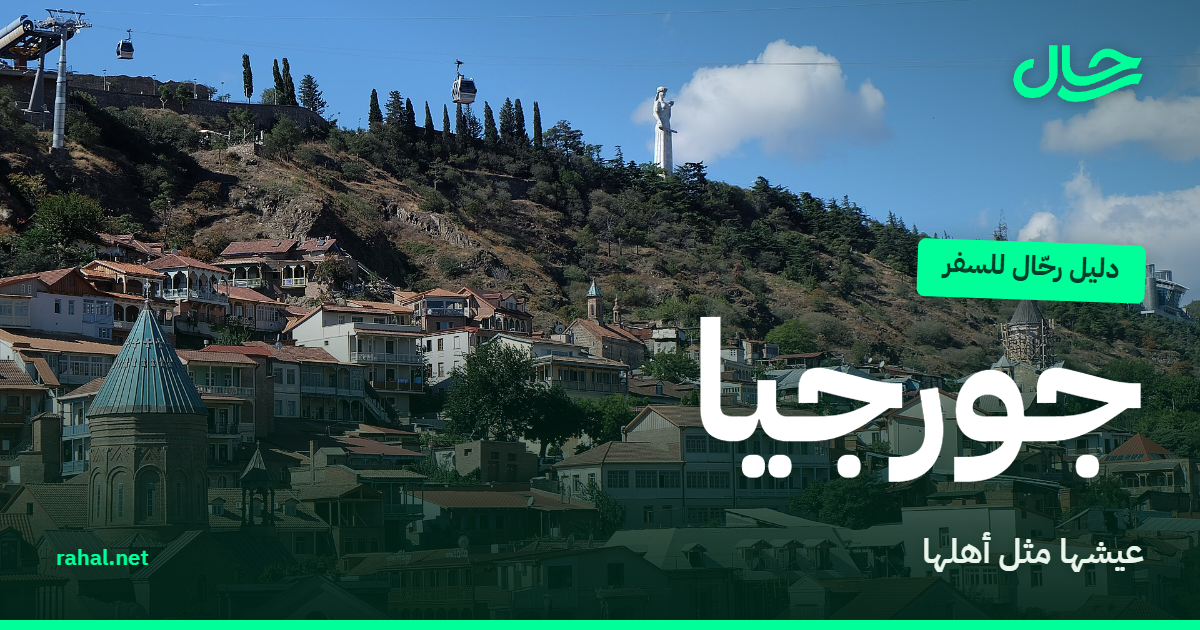
Georgia Like a Local: The Real Travel Guide for Iraqis
Georgia has become a dream destination for many Iraqis: green nature, snow-capped Caucasus mountains, an old town with cobblestone streets, and food and hospitality that stay with you. Tbilisi, the capital, blends ancient churches with modern cafés, while Batumi on the Black Sea feels like a European resort at half the price. But if you want to experience Georgia like a local, you need to know that the heart of Georgian culture is the supra (feast table): a long table of hospitality led by a "tamada" (toastmaster) and food that never seems to end. In this guide from the Travel Like a Local series, let's walk through the real Georgia — and talk honestly about the visa situation for Iraqis.
Who lives there?
Georgia is a small country with around 3.7 million people, and Tbilisi, the capital, is home to over a million. The Georgian people are majority Orthodox Christian (the Church is a huge part of their identity), with Muslim minorities, especially in the Adjara region (Batumi) and among Georgian Azerbaijanis.
The Georgian language is unique, and its script is one of the most beautiful in the world. Russian is widespread among older generations, while English is growing among youth and in the tourism sector. Arabic is present in tourist areas since Georgia has become a popular destination for Arab and Gulf travelers.
Georgians are known for legendary hospitality: they have a saying that "a guest is a gift from God." You'll be hosted, adored, and given more than you'd ever expect — and that's not an exaggeration, it's the core of their culture.
How much does daily life cost?
Georgia is reasonably priced for visitors. The currency is the lari (GEL). According to Numbeo and other mid-2026 sources:
- Monthly expenses for one person excluding rent: roughly $600–650.
- A meal at a casual restaurant: around $10, and a single khinkali costs less than a dollar.
- A one-bedroom apartment in central Tbilisi: roughly $600–650/month (prices have risen in recent years), cheaper outside the center.
- Transport: a single ride costs less than half a dollar, and a monthly pass runs around $13.
For comparison: the average Georgian salary is relatively modest, and prices in Tbilisi have risen due to tourism demand and new residents. Still, it remains far cheaper than Europe, and a reasonable destination for Iraqi travelers.
Cheap: produce, fruit, local wine, and transport. Relatively expensive: rent in central Tbilisi, tourist restaurants, and imported goods.
How do locals get around?
Tbilisi has a deep, cheap Soviet-era metro, along with modern yellow buses, all covered by a unified card. For taxis, the Bolt app is king in Georgia — cheap, widespread, and far more comfortable than hailing a taxi off the street.
Between cities, "marshrutka" (shared minivans) are Georgians' cheapest way to travel between cities and villages, and there are also trains and buses to Batumi and Kutaisi. Distances are manageable: Tbilisi to Batumi by train takes about 5 hours, and to the mountains (Kazbegi) about 3 hours.
What surprises visitors: the beauty of the road itself between cities — mountains, rivers, and churches perched on peaks.
What do they eat… and when?
Georgian cuisine is one of the most delicious in the region and doesn't get the global recognition it deserves. The two stars: khinkali (dumplings filled with broth and meat, held by the top so you sip the warm broth first, then eat the rest), and khachapuri (bread stuffed with cheese, most famously "Adjaruli," boat-shaped with an egg and butter on top). Rich, delicious, and filling.
Also try mtsvadi (Georgian kebab), lobio (beans cooked in a clay pot), and their cheeses, pickles, and walnut-based sauces.
The supra (feast) culture is the soul of Georgian dining: a communal table of hospitality with long toasts led by the tamada. If you're invited, expect a three-hour meal and hospitality that doesn't stop. Dinner is late, and Tbilisi's cafés are modern and lively.
A myth worth busting: Georgia isn't just "cheap" — its cuisine and hospitality are a complete cultural experience worth visiting for on their own.
The unwritten rules
- Georgian hospitality is real and intense. If you're invited somewhere, they'll insist on pouring food and drink on you.
- Churches require modest dress: women need a head covering and a skirt (provided at the entrance), and men need long trousers. Cover your shoulders.
- Georgians are proud of their country and history, so praising their nature and food delights them, while negative comparisons can offend.
- The topic of Abkhazia and South Ossetia (the disputed regions with Russia) is sensitive. Avoid it.
- Dress in Tbilisi and Batumi is casual and modern, but modesty is appreciated in villages and churches.
Where do locals live?
Tbilisi locals live in apartments, and visitors typically search local sites, booking platforms, and furnished apartment groups. Rents in Tbilisi have risen due to demand, but remain cheaper than Europe.
The tourist map: the Old Town is the heart of Tbilisi with its churches, sulfur baths, and cobblestone streets, surrounded by neighborhoods like Sololaki and Vera with cafés and nightlife. For visitors, stay in or near the Old Town for easy walking access to everything. Batumi has its own distinct seaside character, completely separate.
🎵 Hear the country before you arrive
Music is half of any trip. Here's a playlist to set your mood for Georgia before you even land — play it while you pack:
For the Iraqi traveler 🇮🇶
Visa (verified: June 2026): Here we need to be honest, because Georgia's policy toward Iraqis is changeable and sensitive. The official rule: Iraqi passport holders need a visa, and there's an electronic visa (e-Visa) system you apply for online, generally easier for holders of a valid Schengen, US, UK, or Gulf visa or residency. At the same time, Georgia's entry policy toward Iraqis has tightened and loosened multiple times in recent years, and there have been cases of entry refusal even for those with prior approval — so don't book a non-refundable flight or hotel before confirming your status. Check the official Georgian consulate website and send an inquiry, and ask a licensed travel agency about the latest situation before taking any step.
Flights: There are seasonal direct flights from Baghdad and Najaf to Tbilisi and Batumi, otherwise transit through Istanbul or Dubai, with the direct flight taking about 3 hours.
Money: Bring dollars and exchange them at currency exchange offices in Tbilisi (widespread and with good rates). International cards work in malls, hotels, and restaurants, but carry cash in lari for markets, marshrutkas, and small shops.
Internet: Activate the free eSIM from Rahal that comes with any confirmed international booking (1GB for 3 days): request it on WhatsApp at least 5 days before your trip, so you land in Tbilisi already connected, then get a local SIM if you're staying longer.
Food: Georgia is a majority-Christian country, so halal food isn't the default like in Muslim countries, but Tbilisi and Batumi have plenty of halal, Turkish, Arab, and Azerbaijani restaurants, and halal meat is available. Ask and confirm, especially outside major cities. Vegetables, cheeses, and vegetarian food are everywhere.
Worth remembering: Don't limit yourself to Tbilisi. Head to the mountains: Kazbegi and its church perched on a peak facing Mount Kazbek is an unforgettable sight, along with the Kakheti wine region and Batumi on the Black Sea. Georgia's nature is the real star, and Tbilisi is just the beginning.
The honest take
The hard parts about Georgia: the unstable visa and entry situation for Iraqis (the most important point — confirm before booking), the language barrier outside tourist areas, and rising prices in Tbilisi due to demand. And what gets overlooked? The mountains: Kazbegi and Svaneti with their ancient stone towers and stunning nature, and the Kakheti wine region. If you're drawn to a neighboring Caucasus destination with an easier visa (visa-on-arrival), check out our guide on Azerbaijan from the same series.
Bottom line: Georgia suits nature lovers, honeymooners, and anyone looking for a mini-Europe at half the price. But before anything else, confirm the visa and entry situation for Iraqis — and if the door is open, this country is worth every minute.
FAQ
What's daily life like in Georgia?A calm life split between city and nature: Tbilisi has old churches, modern cafés, and sulfur baths, while mountain villages move at a slow, green pace. The people are Christian and legendarily hospitable, and the supra (communal feast table) is the heart of social life. Transport is cheap, and the Bolt app is everywhere.
Is Georgia expensive to live in?Reasonable for visitors, though Tbilisi has gotten pricier: a casual meal costs $10, a khinkali less than a dollar, a room in central Tbilisi runs $600–650/month, and monthly expenses excluding rent run about $600–650 (mid-2026 figures). Far cheaper than Europe, but more expensive than it used to be.
What important customs should I know in Georgia?Georgian hospitality is intense and shouldn't be refused, churches require modest dress and a head covering for women, and the topic of the Russia-disputed regions is sensitive — avoid it.
What do Georgians eat every day?Khinkali (large broth-filled dumplings) and khachapuri (cheese-stuffed bread) are the stars of the cuisine, along with mtsvadi (kebab) and lobio (beans). The food is rich and delicious, and the communal supra is a daily hospitality tradition. Halal meat is available at restaurants in Tbilisi and Batumi, but ask and confirm.
Does Georgia require a visa for Iraqis?Yes, Iraqi passport holders need a visa, and there's an online e-Visa system, generally easier for holders of a valid Schengen, US, UK, or Gulf visa or residency (verified: June 2026). But entry policy toward Iraqis is changeable, and there have been refusal cases, so confirm with the official consulate and a licensed travel agency, and don't book anything non-refundable before confirming.
What do tourists usually miss in Georgia?The mountains. Most visitors stick to Tbilisi and Batumi, while Kazbegi with its church perched before the snow-capped mountain, Svaneti with its stone towers, and Kakheti with its vineyards are the true soul of Georgia. The Caucasus nature here is among the most beautiful in the region.
Sources: Wikivoyage (CC BY-SA), CIA World Factbook (public domain), cost figures from Numbeo and various sources. Last updated: June 2026.