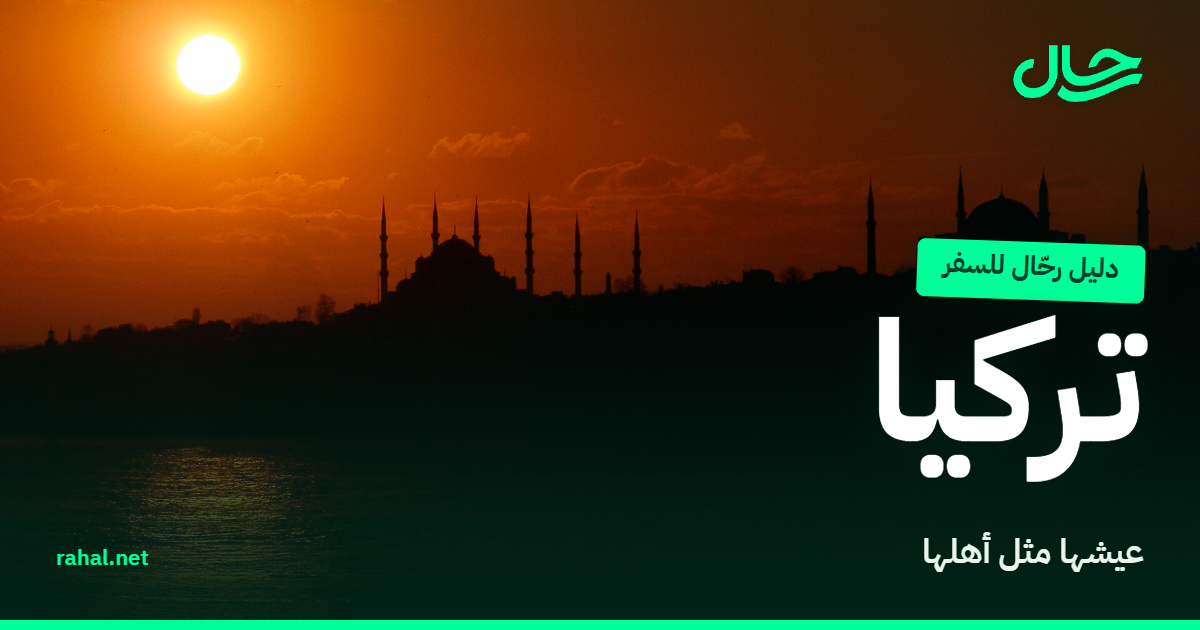
Turkey Like a Local: The Real Istanbul Beyond Taksim
The Turkey most tourists know is Taksim, the Bosphorus Bridge, and hotels in Şişli. But if you want to live Turkey the way its people do, you need to know that Istanbulites themselves rarely pass through Taksim: their real life is the morning ferry between two continents, tea that never stops flowing all day, and the weekly "pazar" vegetable market that's cheaper than any supermarket. There's a paradox worth understanding before anything else: a country that welcomes millions of tourists at prices that look reasonable in dollars is home to people living through inflation that eats their salaries year after year. In this guide from the Travel Like a Local series, we'll walk you through the real Istanbul: who lives there, how much they spend, how they get around, what they eat, and the unwritten rules. And at the end, everything an Iraqi traveler needs.
Who lives there?
Turkey has around 85 million people, with a median age of about 34 — a relatively young country, and you feel it in Istanbul's streets that never quiet down. Istanbul alone has over 16 million people, more than Baghdad, Basra, and Erbil combined, spread across two continents split by the Bosphorus.
Society is overwhelmingly Muslim, but the state is secular by law, so you'll see a mosque and a bar on the same street, and a headscarved and non-headscarved woman in the same family. This coexistence is part of the city's identity, and nobody finds it strange.
Worth knowing: Istanbul has become one of the world's biggest destinations for Arab visitors, Iraqis especially. In neighborhoods like Fatih, Esenyurt, and Başakşehir, you'll walk the street and hear more Arabic than Turkish, and find Iraqi restaurants, Iraqi offices, and even Iraqi weddings. As for Turks themselves, most speak only Turkish, so learning ten Turkish words opens doors that English won't.
How much does daily life cost?
Numbers in Istanbul always need a date attached, since the lira moves fast. According to Numbeo (mid-2026):
- Monthly living costs for one person, excluding rent: around 35,600 lira (roughly $775).
- A meal at a casual "lokanta" restaurant: around 500 lira (about $11).
- Monthly transport pass: around 2,750 lira, with a single ride around 42 lira.
- Renting a one-bedroom apartment in central areas: ranges between 40,000 and 50,000 lira, and can drop to half that in outlying neighborhoods.
The painful comparison: an ordinary local employee's salary sits between 40,000 and 60,000 lira. So central rent can swallow an entire salary, which is why most Istanbulites live farther out and commute an hour, or live with family.
What's cheap and delightful: public transport, produce and fruit from the weekly pazar, and tea everywhere. What's surprisingly expensive: rents in well-known areas, cars (pricier than Europe due to taxes), and anything imported.
How do people get around?
A single card called the Istanbulkart is the key to the whole city: metro, metrobus, tram, bus, and even the ferries. Load it with money and use it for everything. Locals rely on it completely, because driving in Istanbul's traffic is an experience nobody wishes on themselves.
The nicest way to get around the city, and the cheapest thrill, is the vapur: the ferry that crosses the Bosphorus between the two continents for the price of a regular fare. Locals use it for their daily commute, while tourists pay many times more for a "Bosphorus cruise" with the same view.
For taxis, download BiTaksi or use Uber (which runs the same yellow taxis). Watch out: Istanbul taxi drivers have a known reputation for taking the long way with tourists, so keep your map open on your phone at all times.
Between cities, Turks use an excellent bus network and fast trains (Istanbul to Ankara in four and a half hours), and domestic flights are cheap if booked early.
What do they eat… and when?
First lesson: kahvaltı, the Turkish breakfast. On workdays it's simple, but on Friday or Saturday it turns into a full spread: cheeses, olives, eggs with sujuk, honey and kaymak, hot bread, and endless tea. A weekend breakfast gathering for Turks is a full social occasion that takes two to three hours.
Lunch and dinner revolve around the lokanta: casual restaurants serving daily home-style cooking (beans, rice, lentil soup, meat and vegetables) at reasonable prices. This is where office workers, laborers, and students eat — not the tourist kebab restaurants. Dinner is around 7 to 8pm, a bit earlier than ours.
Tea is its own story: served in small tulip-shaped glasses, at every hour and every place, and at work there's often a "tea person" whose only job is handing out glasses. Sit down anywhere and you'll be offered tea — accepting it is a nice courtesy.
And a myth worth busting: the döner in tourist areas isn't real Turkish food. Try İskender at a local restaurant, grilled sardines "balık ekmek" by the sea, or "manti" (similar to shishbarak), and you'll understand why Turks are proud of their cuisine.
Places recommended by a local
This section isn't from an ordinary tourist guide — it's from a friend who actually lives in Istanbul and knows how to pick places that balance the essential touristy spots with the ones only locals know.
On the European side:
- Basilica Cistern: a centuries-old underground Roman water reservoir, a strange and different experience from anything else in the city.
- Blue Mosque: a must-see landmark, its interior architecture will stop you in your tracks.
- Maiden's Tower: right in the middle of the Bosphorus, where you can have lunch or dinner while seeing both the Asian and European sides at once. Round-trip boat rides leave from the European side, and they'll give you the exact departure point when you book.
- A boat trip from Ortaköy: if you'd rather not go to Maiden's Tower, take a boat tour from the Ortaköy area under the Bosphorus Bridge. Prices are reasonable for both locals and tourists, and you get to enjoy the view of both continents together. A fun detail: Istanbul's seagulls are used to boat passengers feeding them "simit" (a round sesame-crusted bread), so if you buy one and hold it out as the boat sets off, the gulls will come close enough to eat from your hand.
- Ortaköy area: famous for its giant stuffed baked potatoes (jacket potato) — worth trying.
- Bebek: near Ortaköy, home to a café-restaurant called "Aşk Kahve" that looks directly onto the Sea of Marmara and the Bosphorus. A gorgeous view for lunch or dinner, with excellent vegetarian options — order "zeytinyağlılar," vegetable dishes cooked in fresh olive oil.
- Shopping malls: İstinye Park or Kanyon are among the most famous malls, with well-known brands at reasonable prices (compared to other markets around the world). You can shop or skip the malls entirely — you're here to see the city, not the malls.
- Grand Bazaar: famous for gold, spices, and Turkish sweets.
- Karaköy Güllüoğlu: a baklava shop in the Karaköy area (which itself overlooks the Golden Horn), said to be over 200 years old, and among the best baklava in all of Turkey.
- Tarabya area: full of seaside restaurants with stunning views and the freshest seafood.
On the Asian side:
If you want to feel the city's real pulse, go to Kadıköy and Bağdat Caddesi on the Asian side. Here you feel the city's true energy, away from the tourist crowds.
Tip worth remembering
Istanbul taxi drivers are sometimes known to "forget" to turn on the meter on purpose and charge you an inflated price because you're a tourist. It's best to use the Uber or BiTaksi app, or negotiate the price before getting in if you have no other option.
The unwritten rules
- Shoes off inside the home, always. Entering a Turkish home with your shoes on is considered an insult. You'll be given house slippers ("terlik") to wear.
- Tea isn't easily refused. If tea is offered at a shop or a home, politeness means accepting it. Repeatedly refusing comes across as cold.
- Atatürk is a red line. Any negative remark about the republic's founder isn't just poor taste, it's a criminal offense. Domestic politics in general is a sensitive topic, so don't be the one who brings it up.
- Cologne is a tradition. In homes, restaurants, and even intercity buses, you'll be offered lemon cologne to rub on your hands. Hold out your hand and take it — it's a gesture of hospitality.
- Hospitality is serious. If a Turk invites you to their home, bring sweets or chocolate. They'll keep serving you food until you say "enough, I swear I'm full" three times.
- Bargaining belongs only in traditional markets. In old bazaars like the Grand Bazaar, haggling is part of the game, but in regular shops and malls, prices are fixed.
Where do locals live?
Apartment hunting in Turkey runs through two sites: Sahibinden and Emlakjet. The financial rule: a one- to two-month deposit, most leases are annual, and on top of rent there's something called aidat: monthly building fees (cleaning, elevator, security) you need to ask about before signing, since in modern buildings it can be a significant amount.
Arabs and Iraqis cluster in Fatih, Esenyurt, and Başakşehir — neighborhoods that give you everything in Arabic, though prices there have risen due to demand. Native Istanbulites are found more on the Asian side: Kadıköy, Üsküdar, and Maltepe — quieter, relatively cheaper neighborhoods with the city's real soul. A heartfelt tip: don't limit yourself to the Arab neighborhoods — the Asian side is a far nicer experience.
🎵 Hear the country before you land
For the Iraqi Traveler 🇮🇶
🛂 Turkey visa at a glance
- Under 15, or 50 and over: no visa needed.
- Aged 15 to 49: apply before you fly through VFS Global, in person for fingerprints.
- No visa on arrival and no eVisa for Iraqi passports.
- Cost: from about $195 for single entry, not refunded if refused.
- Time: 5 to 15 working days, so book your appointment 2 to 3 weeks ahead.
Flights: This is the easiest destination to reach from Iraq. Daily direct flights from Baghdad, Erbil, Najaf, Basra, and Sulaymaniyah to Istanbul, with a flight time of just two and a half to three hours.
Money: Bring dollars and exchange them inside the city, not at the airport (the rate difference is significant). Iraqi international cards work at most shops and restaurants, but keep cash in lira for bazaars and small shops. Most important tip: any price you see quoted in dollars in a tourist area means you're in a tourist area — the real lira price is somewhere else.
Internet: Local Turkish SIMs have become expensive for visitors and require registration. Easier and cheaper: activate the free eSIM from Rahal that comes with any confirmed international booking (1GB for 3 days): send your booking details on WhatsApp at least 5 days before your trip, and don't activate it until after you land.
Food: Everything is halal by default, so this is total peace of mind. Iraqi restaurants are widespread if you're craving home cooking.
Tip worth remembering
The Turkish lira moves fast, so don't exchange all your money in one day. Exchange in batches as you need it, and track the rate through a trusted exchange app — the difference by the end of the trip adds up to a meaningful amount.
The Honest Take
What's tough about Turkey: inflation that shifts prices between one visit and the next, the language barrier outside tourist and Arab areas, and visa and residency procedures that have gotten stricter than before. What's underrated? Istanbul's Asian side, secondary cities like Bursa and Trabzon that Iraqis know better than most other visitors, and the ferry-and-sea culture that keeps the city breathing. If you're curious how life differs on an entirely different continent, read our guide to the USA from the same series.
FAQ
What's daily life like in Turkey?
An active urban life that starts early and stretches into the night, especially in Istanbul. People rely entirely on public transport, tea is present at every moment of the day, and weekends are set aside for long family breakfasts and walks by the sea. The pace is faster than ours, but the social spirit is very close to our own.
Is Turkey expensive to live in?
For a visitor spending in dollars, Turkey remains reasonable: a casual meal around 500 lira and a monthly transport pass at 2,750 lira (Numbeo figures, mid-2026). But for a resident on a local salary, it's tough: rent in central areas (40,000 to 50,000 lira) approaches an entire salary, and inflation keeps pushing prices up.
What are the important customs to know in Turkey?
Shoes come off before entering any home, offered tea is accepted as a courtesy, and Atatürk and domestic politics are topics you don't bring up yourself. Bargaining is acceptable only in traditional bazaars, while shops and malls have fixed prices.
What do Turks eat every day?
Kahvaltı, the Turkish breakfast, is the star of the cuisine: cheeses, olives, eggs, honey, and tea, turning into a full family spread on weekends. Lunch and dinner are home-style food from casual lokanta restaurants: lentil soup, beans, rice, and grilled meats. Dinner is around 7 to 8pm.
Does Turkey need a visa for Iraqis?
Yes for most ages, but under 15s and anyone 50 and over enter without one. Everyone else applies through VFS Global before flying. Full details in the Turkey visa guide.
What do tourists usually miss in Turkey?
Istanbul's Asian side. Tourists pile into Taksim and Sultanahmet, while Kadıköy, Üsküdar, and Maltepe have cheaper markets, nicer cafés, and real Turkish life. And riding the vapur ferry at sunset for the price of a regular fare beats any tourist boat tour costing ten times as much.
Sources: Wikivoyage (CC BY-SA), CIA World Factbook (public domain), cost figures from Numbeo. Last updated: June 2026.